Walt Disney Television
Redesigning a High-Potential Mentorship Program from the Ground Up
Context
Through an organization-wide discovery process including surveys, interviews, and focus groups, Jared identified a need to rethink how the business unit was developing and retaining its high-potential employees. Walt Disney Television had an existing mentorship program, but it was run by HR without the bandwidth to give it real attention. The program was shrouded in mystery: no one knew how people were selected, there was no application process, and large cohorts of 16-20 made meaningful connection difficult. Feedback was mixed. The program needed structural rigor and a developmental foundation.
Overview
Jared redesigned the mentorship program around three principles: connection, equity, and ownership. He cut the cohort to 8, introduced a blind-review application process, and built a co-created structure where each cohort shaped their own experience. With emotional intelligence becoming central to the business unit's leadership development strategy, self-awareness was woven throughout as the program's developmental through-line. Over time, the program design was adjusted based on participant feedback, strengthening its impact.
Jared's Role: Diagnostic lead; program designer and lead co-facilitator, partnering with a senior leader who sponsored the program.
Learning Objectives
- 01 Deepen self-awareness as the foundation of emotional intelligence and leadership effectiveness
- 02 Develop clarity and agency around one's own career trajectory
- 03 Build authentic peer relationships that extend beyond the program
Design Rationale
The small cohort and intentional design created the conditions for genuine connection. The blind application review removed bias, allowing participants to be selected on the strength of their responses instead of title or reputation. The application process also unlocked buy-in; articulating why you want something deepens your investment in it. The co-created structure gave participants a voice and ownership over their experience, also increasing their investment in the program. The program included structured workshops, peer feedback, executive conversations, and 1:1 mentoring so participants could continually apply developmental insights across multiple relationships and contexts.
Program Architecture
- Internal marketing materials and communications
- Selection criteria and blind-review application process
- 6-month cohort-based program including:
- One 90-min structured kickoff lunch
- Four 60-min self-awareness development workshops
- Five 60-min leadership book discussions
- Three 60-min senior executive "coffee with" conversations
- Six 45-min mentor/mentee meetings with conversation prompts
- One team-building activity
- One 2-hour closing event
- Individual Development Plans (IDPs) informed by peer and colleague feedback
Outcomes & Impact
2/3
Promoted within 12 mo.
Two-thirds of mentees were promoted within 12 months of completing the program, suggesting the developmental work translated into visible leadership capacity that the organization recognized and rewarded.
"One of the best parts of this program was the opportunity to really connect with someone else in the organization and become invested in their career and growth."
Program Participant
Walt Disney Television
Selecting and Scaling an Emotional Intelligence Program for 400+ Leaders
Context
Through a discovery process that included surveys, interviews, and focus groups, Walt Disney Television identified emotional intelligence as a critical leadership development need. Notably, leaders themselves named this as an area where they wanted support. The organization needed a program that was rigorous, scalable, and credible enough to earn buy-in across a large and diverse leadership population.
Overview
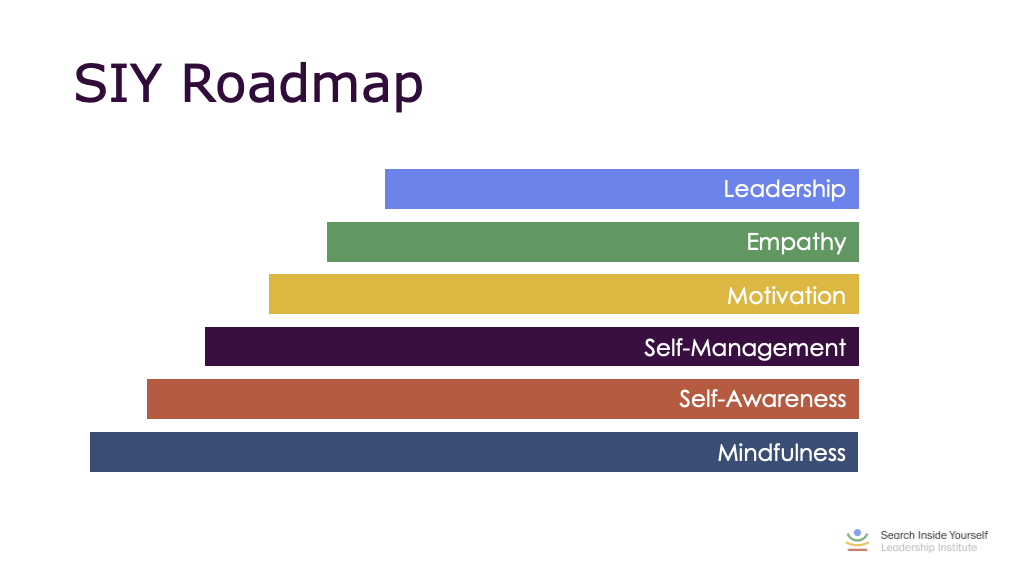
Jared identified Search Inside Yourself, a mindfulness-based emotional intelligence program created at Google, as the right fit for the organization. He pitched it to senior leadership, then led the rollout across the business unit starting at the top of the organization. When the program proved its impact, he became a certified SIY facilitator and designed sustain programming to keep the learning alive beyond the two-day training. During his tenure at Disney, it quickly became the most popular program in the company, with over 400 employees going through the program.
Jared's Role: Diagnostic lead; program scout, selector, and champion; lead facilitator (after certification); sustain programming designer.
Learning Objectives
- 01 Develop greater self-awareness, focus, and motivation, leading to improved performance and overall well-being
- 02 Build resilience and emotional regulation to manage stress and navigate challenges more effectively
- 03 Strengthen empathy, communication, and the capacity to lead and influence with greater impact
Design Rationale
SIY was selected for three reasons. It is grounded in neuroscience, which gave it credibility with a leadership audience. It is practical, built around adult learning principles using exercises people can use immediately. And it was designed specifically for people skeptical of mindfulness, making it accessible across a wide range of leadership styles and dispositions. The two-day training blends instruction with guided practice, enabling participants to leave with tools they've already practiced. Monthly sustain sessions extend this cycle, giving alumni ongoing opportunities to apply and deepen what they learned.
Program Architecture
- Program marketing and communications
- 2-day (14-hour) core Search Inside Yourself training
- Monthly 60-min voluntary sustain sessions for program alumni
- Facilitator certification and internal facilitation capacity
- Integration with broader leadership development strategy (including the mentorship program)
Outcomes & Impact
Participants consistently named empathy, connection to colleagues, increased presence, reduced stress, and self-awareness as the most significant impacts.
"The combination of theory, practical tools, and built-in practice made this one of the best leadership seminars I've ever attended."
Disney Executive
Do More Good Movement
Designing a Year-Long Leadership Accelerator from Vision to Blueprint
Context
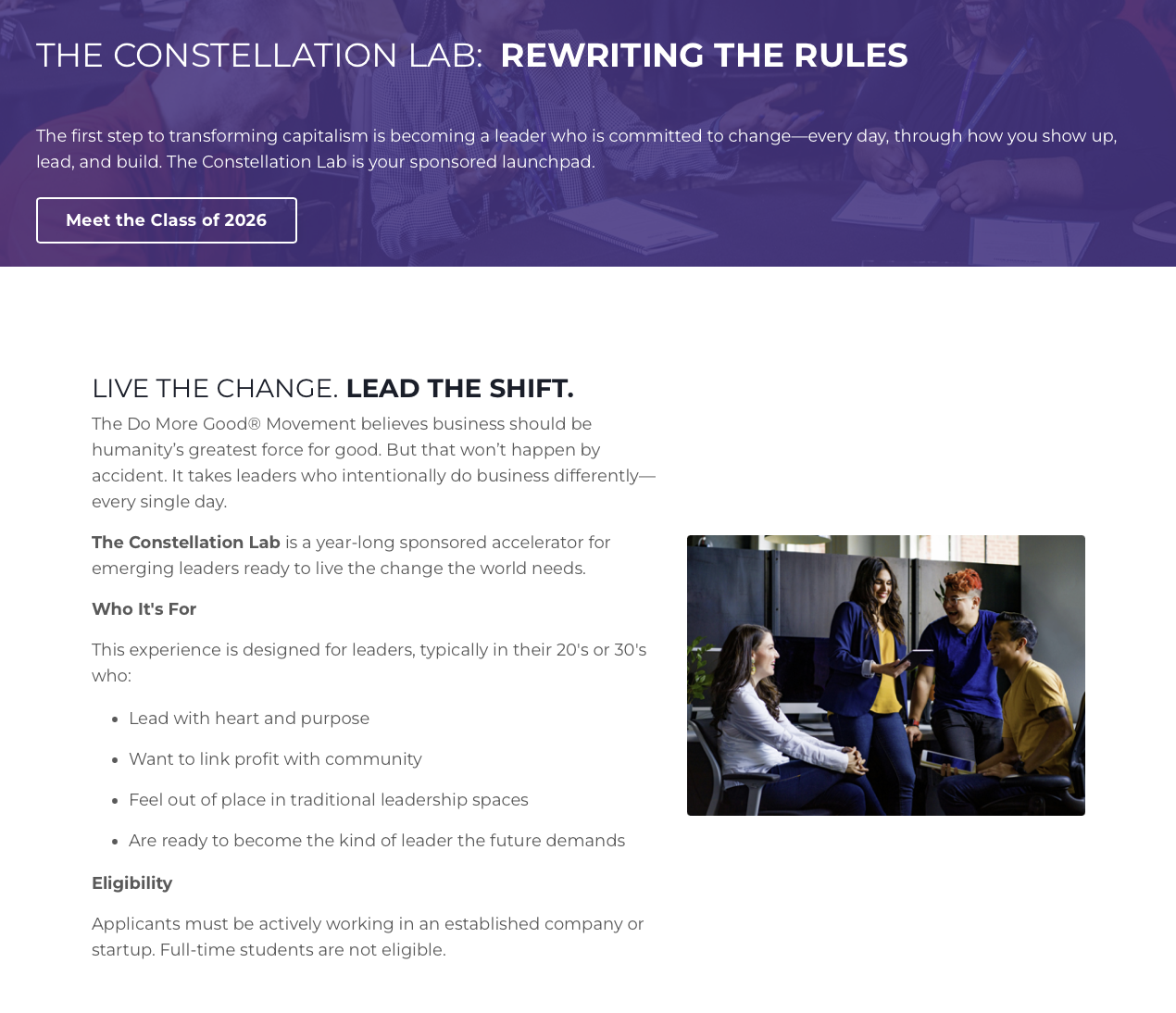
The Do More Good Movement, in partnership with Conscious Capitalism, wanted to launch a flagship leadership development program for emerging leaders committed to using business as a force for good. They had a vision and a name, but in the Executive Director's words, "What we had was a half-baked idea." They needed someone who could translate aspiration into an executable, repeatable, and scalable program design.
Overview
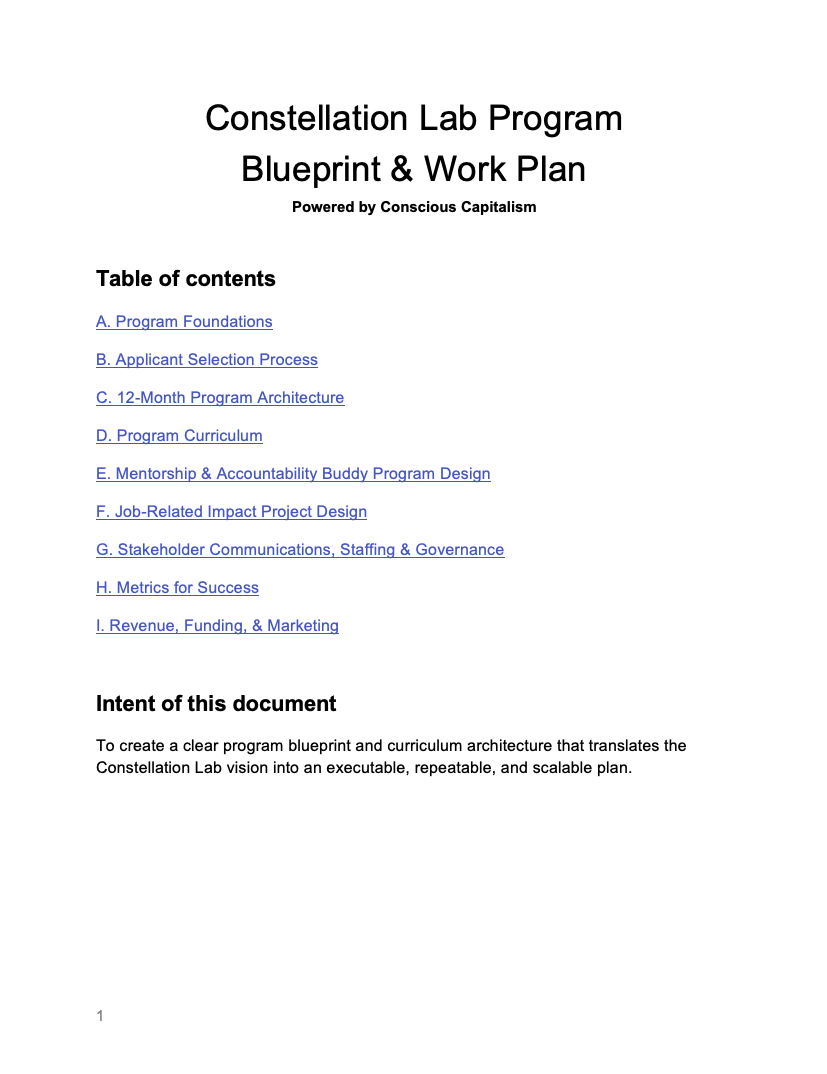
Jared designed a 40-page program blueprint for the Constellation Lab, a 12-month cohort-based leadership accelerator for 20 emerging leaders. The design spans a four-part curriculum structure, a structured applicant selection process, a mentorship and accountability partner model, a governance and staffing structure, and a full measurement strategy. Jared translated the organization's core concepts and vision into a structured, execution-ready program the client's two-person team could run independently.
Jared's Role: Program designer.
Learning Objectives
- 01 Develop conscious leaders who lead from higher purpose, serve all stakeholders, cultivate conscious cultures, and commit to the inner work required for sustainable, values-aligned leadership.
- 02 Create a transformative cohort experience that forges deep connection, trust, and lifelong relationships that form a powerful alumni network.
- 03 Build a scalable model that expands into new regions including Conscious Capitalism chapters within three years and globally within five years.
Design Rationale
The program needed to develop leaders internally while producing visible external impact. Key design decisions:
- Curriculum arc: Four parts moving from inner compass work (purpose, identity, emotional awareness) through systems navigation, culture-building, and integration. The sequence is designed with the assumption that you can't lead culture until you've examined yourself first.
- Mentorship model: Designed for development over dependency, with structured conversation guides tied to monthly content.
- Measurement framework: Lightweight enough to manage within existing bandwidth, rigorous enough to build a case study for future funding and expansion.
- Modularity and handoff: Each module has clear inputs, learning objectives, and handoff points. Session design templates and facilitation guides enable guest faculty to deliver independently while maintaining coherence across the 12-month arc.
- Learning-doing cycle: The monthly rhythm integrates live learning, structured reflection, peer accountability, and real-life application.
Program Architecture
- Applicant selection process (application scoring matrix, interview guide)
- 12-month cohort program for 20 participants including:
- Four-part curriculum across 12 monthly themes
- Monthly live virtual sessions (60-90 min) with guest faculty
- Monthly integration sessions facilitated by program lead
- Four in-person gatherings (kickoff, two mid-year retreats, closing)
- Monthly 1:1 mentor meetings with structured conversation guides
- Monthly accountability buddy meetings
- Mentorship program (matching process, mentor and mentee expectations, quarterly mentor clinics)
- Governance and staffing model (roles, decision rights matrix, escalation paths)
- Measurement framework (pre/post self-assessment, monthly pulse surveys, program dashboard)
- Session design templates, learning objectives, and participant materials
Outcomes & Impact
The Constellation Lab's first cohort is launching in late May 2026; participant outcomes are forthcoming. The deliverable itself, however, tells the story: a comprehensive, execution-ready blueprint with structural rigor, developmental depth, and operational clarity.
"What you built for us with Constellation Lab is genuinely remarkable. The program's architecture and the intentionality behind the design have come together beautifully. I deeply appreciate the quality of your work."
Founder, Do More Good Movement
Private Retreat
Immersive Leadership Retreat: Designing a Multi-Phase Developmental Experience
Context
A non-profit organization dedicated to cultivating heart-centered changemakers wanted to design an immersive retreat experience that went beyond content delivery and created a container for experiential leadership development work. Their philosophy centers on a belief that the most pressing challenges of our time require a shift in how we think, behave, and connect, and that transformation begins with healing the divides between mind and body, self and other, humanity and nature.
Overview
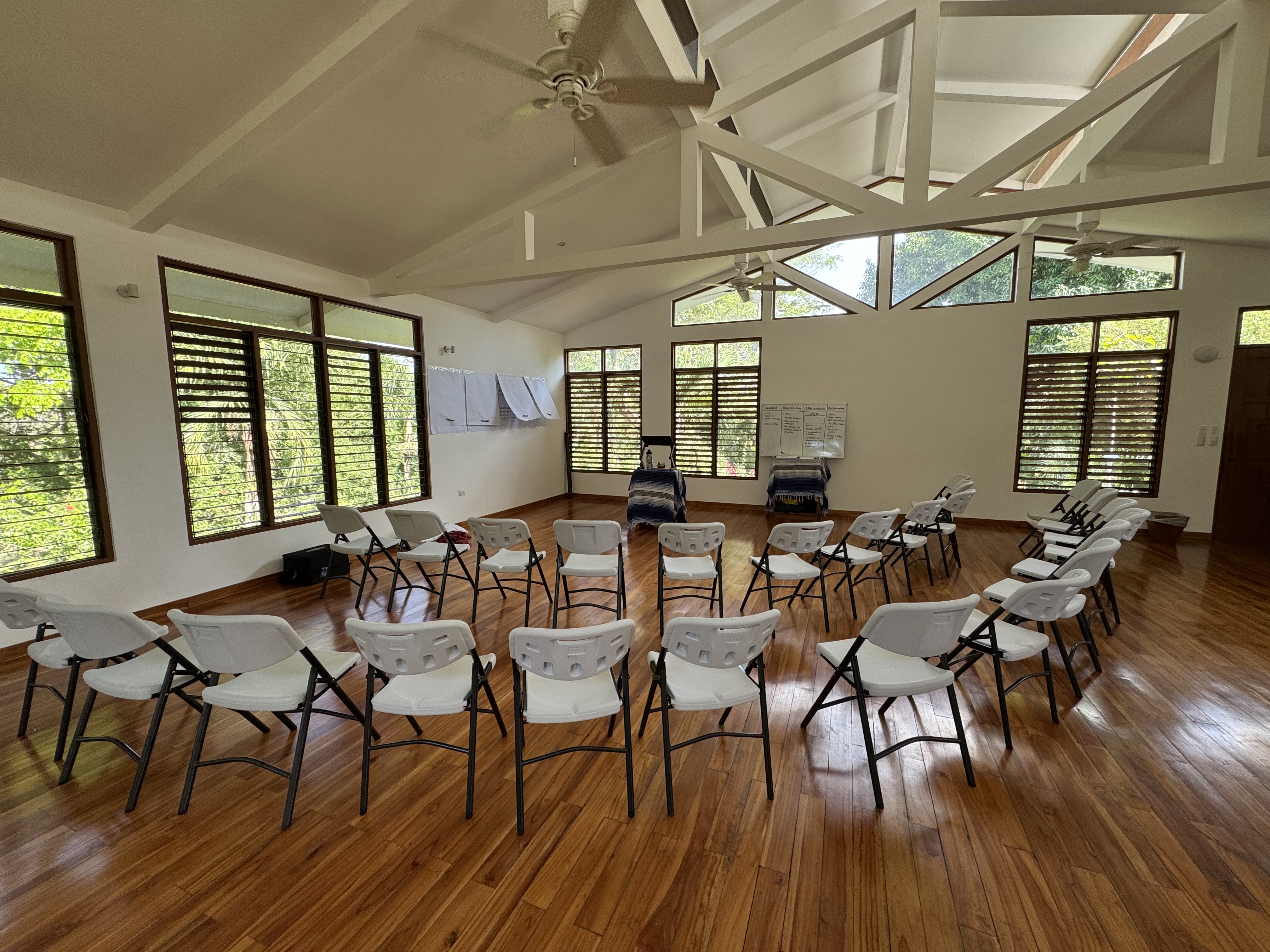
Jared co-designed and helped lead a 7-day immersive retreat for 18 curated participants, supported by a team of 6 facilitators trained in emotional intelligence, somatic practices, and conscious leadership. The curriculum drew from Thomas Hübl's work, Scharmer's Theory U, Immunity to Change™, and the Inner Development Goals. The retreat was embedded in a longer developmental arc: 3 weeks of virtual preparation, 7 days on-site, and 3 weeks of virtual integration. The program was invitation-only and filled quickly across its first three years.
Jared's Role: Participant experience designer; curriculum co-designer; co-facilitator; operations lead.
Learning Objectives
- 01 Engage with practices that support health, resilience, and flourishing across cultures
- 02 Build capacity for self-reflection, vulnerability, and authentic connection in a community setting
- 03 Develop a personal integration practice that bridges retreat insights into daily life
Design Rationale
The program was designed around a simple premise: development requires an intentional container in a community setting. The three-phase structure (preparation, retreat, integration) ensures participants arrive and leave feeling supported. The preparation phase builds community and sets intentions before anyone gets on a plane. The retreat itself is organized around a combination of theory and practice: concept introduction followed by partner and small group discussions and exercises. The integration phase provides structure and community support for translating retreat experiences into sustained change. Low participant-to-faculty ratios (3:1) and a curated, invitation-only cohort create the psychological safety required for this kind of vulnerable work.
Program Architecture
- 3-week virtual preparation program (1:1 prep calls, group sessions, guided practices)
- 7-day immersive retreat
- Daily programming including guided practices, community circles, small group work
- Unstructured time for rest, nature, and digital detox
- 3-week virtual integration program (group sessions, daily practices, 1:1 support)
Outcomes & Impact
93%
Rated "Excellent" (5/5)
The retreat has run for three consecutive years, filling each time through invitation only.
"The planning that went into this retreat made everything flow perfectly. I loved the sense of safety I felt in the cohort. I was able to connect with myself on a level I didn't think was possible."
Program Participant
American Red Cross
Developmental Workshop: Growing Through the Hard Stuff
Context
The American Red Cross's consumer marketing and fundraising team was navigating a demanding landscape: fundraising during political polarization, disaster response amid personal overwhelm, and staying mission-driven when the ground keeps shifting. They wanted a development experience for their 40-person team that was practical and acknowledged the reality of what people are carrying.
Overview
Jared designed and delivered a 60-minute virtual workshop that introduced the distinction between technical and adaptive challenges, reframed difficulty as developmental material, and taught participants a practical tool they could apply immediately. The session blended adult developmental theory, personal storytelling, and a live guided practice, giving participants a direct experience of the concepts.
Jared's Role: Sole designer and facilitator.
Learning Objectives
- 01 Understand the difference between technical and adaptive challenges and why most of what feels hard right now is adaptive
- 02 Experience a practical self-regulation and reflection tool that can be used "in the moment"
- 03 Recognize that development happens through a different relationship with existing challenges
Design Rationale
The session was built around one core insight that came from a discovery phase: the team didn't have the bandwidth for much more content; instead, they needed a new relationship with what they were already facing. The workshop was designed as a live developmental experience; participants worked with a real situation from their own lives during the session, allowing learning and application to happen simultaneously. The structure also deliberately acknowledged that the audience was already stretched thin, so the key message, that development doesn't require more time, was both content and design philosophy.
Session Design
- Interactive opening (check-in to surface attitudes toward professional development)
- Framing: the complexity participants are navigating personally and professionally
- Core concept: technical vs. adaptive challenges (Heifetz's framework)
- Above the line / below the line framework
- Live guided practice with a real personal scenario
- Takeaways and call to action
- Q&A and closing reflection
Outcomes & Impact
The session was well-received across the 40-person team, with strong engagement throughout the live practice and discussion. The format demonstrated that meaningful development can happen in a single session when the design is experiential.
"It was a wonderful workshop and appreciated the rich discussion from the team. Everyone was engaged and I look forward to using the practice in real life!"
Client Lead, American Red Cross
Bolderminds
The X-Ray Lab: A Cohort-Based Program for Getting Unstuck
Context
Most professional development and change management programs assume the problem is a skill gap: learn the right technique, apply it, and change follows. But for the challenges that matter most, knowing what to do isn't the only issue. People and organizations stay stuck because they're running unconscious patterns that shape behavior, actively working against the very changes they want. This is the adaptive challenge many development and change programs never touch.
Overview
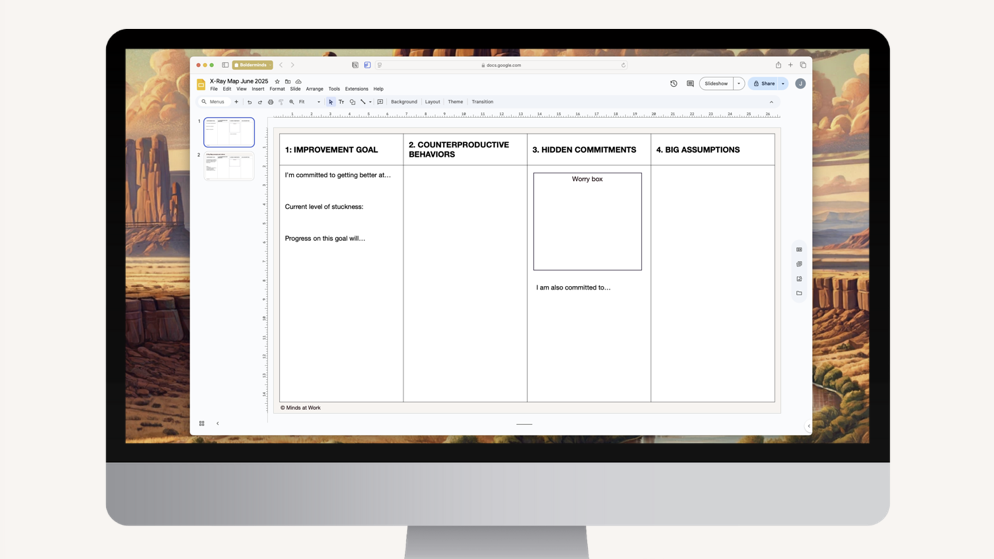
Jared designed and piloted the X-Ray Lab, a five-session cohort-based program based on Robert Kegan and Lisa Lahey's Immunity to Change™ framework. Over five weeks, 16 participants used a personal improvement goal to surface what gets in the way of progress despite their best intentions. Through guided reflections and practical tools, participants built a map that uncovered their counterproductive behaviors, hidden competing commitments, and the big assumptions holding their system in place.
Jared's Role: Designer and facilitator; built new practices on top of the Immunity to Change™ framework.
Learning Objectives
- 01 Develop deeper self-awareness and a more objective mindset that meets reality where it is
- 02 Get to the root cause of challenges that have impeded your potential and learn how to work with them
- 03 Gain the capacity to hold tensions, embrace complexity, and make informed, confident decisions
Design Rationale
The program was deliberately structured to slow participants down.
For the first four sessions, problem-solving is explicitly off the table. While counterintuitive and uncomfortable for some, it's the design point: rushing to action is often what keeps most change efforts superficial. The sequencing connects concept introduction, map-building, and peer coaching with between-session practices that keep the work grounded in participants' real lives. Experiments are introduced after participants have built sufficient awareness to approach them with curiosity. A dedicated integration week between Sessions 4 and 5 provides time for big assumptions to surface before they can be tested. Consistent accountability partners across all sessions build the trust required to do this kind of vulnerable work. And between sessions, the facilitator reviews and comments on every participant's map, creating a feedback loop that keeps the work alive between live meetings.
Program Architecture
- Six-week program with five 60-minute live virtual sessions
- Personal artifact: the ITC Map, built incrementally across sessions
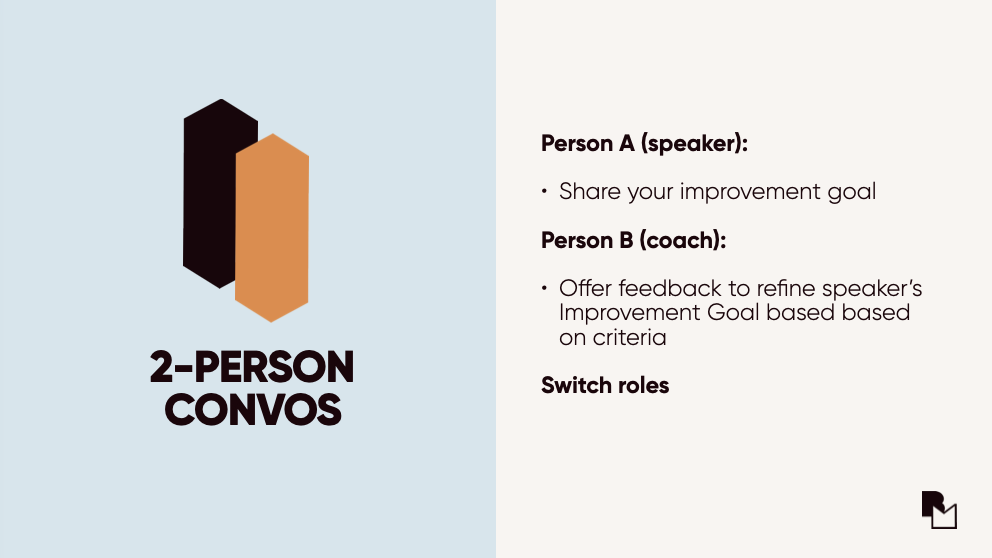
- Consistent accountability partner pairings with structured conversation protocols
- Facilitator review and feedback on participant maps between sessions
- Guided mindfulness and somatic practices woven into each session
Outcomes & Impact
The program is now available for organizational deployment in both a multi-week cohort format and a condensed intensive.
"If you want to know the secret to unlocking where you're stuck, sign up for the X-Ray Lab. You'll walk away with some profound insights about why you're stuck and a roadmap for achieving the change you've been chasing."
Program Participant